

What you’ll learn:
- Women may experience the side effects from semaglutide medications like Ozempic® and Wegovy® differently due to hormonal, metabolic, and genetic factors.
- Gradual dose increases and symptom tracking can help make side effects easier to manage.
- Most side effects are temporary and tend to improve with time and the right support.
Ozempic® (semaglutide) is one of the most well-known GLP-1 medications prescribed for blood sugar management and off-label for weight loss. It works by mimicking a hormone called GLP-1 that helps regulate appetite, slow digestion, and regulate blood sugar. These effects can make it easier to eat less, feel fuller for longer, and ultimately lose weight or manage type 2 diabetes more effectively.
Wegovy® is the counterpart to Ozempic that is FDA-approved for weight loss. It also contains semaglutide but can be prescribed at a higher dose than Ozempic. It works the same in terms of action, and the side effects are similar.
But the same actions that make Ozempic® and Wegovy® effective can also lead to side effects, especially in the early weeks of treatment or when the dose is increased. While the medications’ core effects are consistent across all people, research suggests that women may be more likely to experience certain side effects more strongly.
Women may experience different effects from Ozempic® and Wegovy® due to a combination of factors, including higher blood levels of the medication at the same dose, greater average weight loss, and differences in hormones, metabolism, and body composition. While the exact reasons aren’t fully understood, early research suggests that both biological sex and genetics can influence how the body responds to semaglutide.
We’ll explore how Ozempic® and Wegovy® affect the body, why women may experience side effects differently, and what you can do to manage common symptoms. You’ll also learn how weight loss may unfold differently for women on GLP-1s, what to watch for in terms of hormonal shifts or fertility, and when to reach out to your provider for extra support.


How Ozempic® and Wegovy® affect you and why they cause side effects
The semaglutide in Ozempic® and Wegovy® mimics the GLP-1 hormone, which helps lower blood sugar, reduce appetite, and slow digestion. These actions can help with weight loss and diabetes management. But they can also cause side effects like nausea, bloating, or constipation as the way you digest food changes.
While semaglutide’s core effects are the same no matter your biological sex, and medication literature doesn’t specify female vs. male side effects, some research points to certain side effects being stronger for women.
Let’s take a closer look at what might be happening.
- Hormonal interactions: Women’s hormone levels—particularly estrogen and progesterone—fluctuate throughout the menstrual cycle, which may influence how the body responds to medications. In animal studies, higher estrogen levels were associated with increased nausea and vomiting when using GLP-1 medications—a side effect women often report more intensely.
- Metabolism and body composition: Women typically metabolize drugs differently from men due to differences in enzyme activity and overall physiology. In addition, higher average body fat percentage and unique fat distribution patterns in women may influence how semaglutide is absorbed and processed.
- Weight loss differences: Some studies suggest that women may experience greater weight loss on semaglutide compared to men. This could be linked to both sex-specific biology and genetic factors that affect GLP-1 receptor activity.
- Cycle, libido, and hair changes: Some women taking semagltuide report menstrual changes, libido shifts, and even hair thinning or loss, though these effects are not yet well understood. One possibility is that rapid weight loss, rather than the medication itself, may trigger these changes. Significant weight fluctuations are known to affect hormone levels, which can disrupt normal cycles and impact hair growth.
- Facial volume loss (“Ozempic face”): As you lose weight, you lose fat all over, and that includes in your face. This can lead to a guant appearance that people are calling “Ozempic face.” Hydration, good nutrition, and gradual weight loss can support skin elasticity and keep things feeling balanced. Aim to lose no more than 2 pounds per week.
- Fertility considerations: Weight loss can improve hormone balance and ovulation, which may increase fertility in women. While research hasn’t yet found a direct connection between Ozempic® and fertility, the weight loss it causes has been shown to improve fertility by making women’s cycles more regular. This has also been studied in women with PCOS, who also reported increased natural pregnancy rates and improved cycle regularity. If pregnancy isn’t part of your plan, this is a good time to review your birth control. We’ll go into more detail in the next section.
Managing side effects: Strategies for women
Semaglutide works by altering appetite, digestion, and blood sugar response, but those same mechanisms can also trigger side effects. For women, hormonal cycles, slower gastric emptying, and shifts in nutrient intake during weight loss can make some symptoms more noticeable. Most are manageable.
Here’s how to handle the most common ones:
| Side effect | Who it affects | Management tips |
|---|---|---|
| Nausea | Common in both sexes, but tends to be more intense for women | Stick to light, bland meals. Avoid greasy or spicy food, and sit upright after eating. |
| Constipation | More often reported by women | Boost water and fiber gradually. A gentle laxative or magnesium may also help. |
| Diarrhea | Affects men and women, especially in the early stages | Rehydrate with electrolyte-rich fluids and stick to low-fat, low-fiber meals. |
| Fatigue | May occur more frequently in women | Make sure you’re getting enough calories, protein, and rest. Watch for low blood sugar. |
| Dyspepsia | Seen in both sexes | Eat smaller portions, stay upright after meals, and ask about antacids if needed. |
| Bloating | Especially common in women with sensitive digestion | Cut back on carbonated drinks and eat slowly to reduce swallowed air. |
Managing other possible side effects:
Beyond the standard side effects, some people report additional issues that may be linked to semaglutide or rapid weight loss. Here’s how to monitor and address these:
| Side effect | Who it affects | Management tips |
|---|---|---|
| Hair loss | Often noted by women during periods of rapid weight loss | Prioritize protein-rich foods and talk to your provider about whether you need supplements. |
| Period changes | Common in reports from women | Track your cycles and consult your OB-GYN if irregularities persist. |
| Gaunt face | Can be seen in both sexes | Stay hydrated, support skin health with nutrition, and aim for gradual weight loss (1 to 2 pounds per week).. |
| Mood shifts or anxiety | May feel stronger for women due to hormone fluctuations | Keep a consistent sleep routine, manage stress, and seek support when necessary. |
When to contact your doctor
- If any side effects feel persistent or disruptive
- If you notice changes in your cycle, energy, or overall well-being
- If you’re unsure whether a symptom is related to Ozempic® or something else
Your provider can help you tailor your plan, adjust your dosage, or recommend additional strategies that align with your goals.
Severe side effects and warnings
Ozempic® and Wegovy® are generally well-tolerated, but rare side effects can happen. Knowing the warning signs helps you take quick action if needed.
It’s important to note that while side effects like nausea and digestive issues may be more common in women, there currently isn’t any evidence that shows that the rarer and more serious side effects of semaglutide are more common in women than in men.
If you have symptoms of these conditions, get immediate medical attention.
- Pancreatitis: Severe stomach pain that spreads to your back, especially with nausea or vomiting, could be a warning sign. Stop taking Ozempic® and seek medical help right away.
- Gallbladder issues: Pain in your upper right belly, fever, or yellowing of the skin or eyes may point to gallstones or inflammation.
- Kidney problems: Dehydration from vomiting or diarrhea can put strain on your kidneys. Look out for fatigue, swelling, or peeing less than usual.
- Allergic reactions: Though uncommon, signs like facial swelling, trouble breathing, or a widespread rash require emergency care.
- Low blood sugar (hypoglycemia): This is more likely if you’re also taking insulin or sulfonylureas. Symptoms include shakiness, confusion, sweating, or fainting.
- Thyroid tumors: Ozempic® and Wegovy® carry FDA boxed warnings about a possible risk of thyroid C-cell tumors seen in animal studies. It’s unclear if this applies to humans.
If you notice anything that feels unusual or concerning, don’t wait. Contact your healthcare provider or get medical care right away.
Who shouldn’t take Ozempic® or Wegovy®
Semaglutide medications can support many people with weight or blood sugar goals, but they’re not for everyone. There are some conditions where it’s not safe to take, and others where extra caution is needed. In particular, there are additional considerations for women related to fertility and pregnancy.
You shouldn’t take Ozempic® or or Wegovy® if:
- You are pregnant, trying to get pregnant, or breastfeeding.
- You or a family member has a history of medullary thyroid carcinoma (MTC) or multiple endocrine neoplasia syndrome type 2 (MEN 2).
- You’ve had a serious allergic reaction to semaglutide or any of the ingredients in Ozempic®.
Let your doctor know if you have:
- A history of pancreatitis, as semaglutide may raise your risk of developing it again.
- Kidney problems, especially if you’ve had dehydration from vomiting or diarrhea.
- Diabetic retinopathy—rapid blood sugar improvements may temporarily worsen eye conditions.
- Significant digestive issues like gastroparesis, since Ozempic® slows stomach emptying and could make symptoms worse.
Your healthcare provider will help you weigh these risks and decide if Ozempic® is the right option for you. Before starting, always share your full medical history, including fertility plans.
Frequently asked questions about fertility and Ozempic® and Wegovy®
Thinking about pregnancy now or in the future? Semaglutide can impact your fertility plans, so it’s worth knowing how it fits into the bigger picture. Let’s break down what to expect.
Can I take Ozempic® or Wegovy® during pregnancy?
No, you shouldn’t use Ozempic® if you’re pregnant.
Can I take Ozempic® or Wegovy® if I am trying to conceive?
Planning ahead is key. Semaglutide stays in your body for weeks after your last dose. You’ll need to stop taking it at least 2 months before you try to get pregnant. Talk to your doctor about when to pause treatment and how to manage your health goals in the meantime.
Does Ozempic® or Wegovy® affect fertility?
There’s no clear evidence that semaglutide makes it harder or easier to get pregnant. But weight loss in general can help regulate cycles and improve ovulation, especially for women with PCOS.
Can I breastfeed while taking Ozempic® or Wegovy®?
Semaglutide isn’t recommended while breastfeeding. Your provider can help you weigh the potential risks and explore safer options.
Can Ozempic® or Wegovy® make birth control less effective?
Semaglutide doesn’t directly affect the body’s ability to absorb oral medications and does not change how much of your oral birth control is absorbed into your system. But, since it slows down how quickly your stomach empties, there is still a possibility that it could impact how medications are absorbed, and the manufacturer does recommend exercising caution. Talk to your doctor about other options.
How semaglutide’s side effects compare to other GLP-1 medications
The side effects across different GLP-1 medications are similar and include nausea, vomiting, constipation, and fatigue. If Ozempic® isn’t right for you, it might be worth trying a different one. Here’s a look at how semaglutide side effects compare to other GLP-1 medications.
| Medication (dose) | Nausea | Vomiting | Diarrhea | Constipation | Dyspepsia (indigestion) | Key differences |
|---|---|---|---|---|---|---|
| Semaglutide (2.4 mg) – Wegovy® | 44% | 24% | 30% | 24% | 9% | Higher rates of nausea, vomiting, diarrhea, and constipation, especially at full weight-loss doses. |
| Tirzepatide (15 mg) -Zepbound®/Mounjaro® | 28% | 13% | 23% | 11% | 10% | Lower nausea and constipation; nausea and diarrhea are more commonly reported. |
| Liraglutide (3 mg) – Saxenda® | 39% | 16% | 21% | 19.4% | 10% | Fewer GI side effects than semaglutide; less nausea and vomiting. |
| Dulaglutide (4.5 mg) – Trulicity® | 16% | 9% | 11% | Not reported | 3% | Lowest GI side effect rates; less constipation and abdominal discomfort. |
Reviews from real Noom users
Desirea N. — Real Noom user
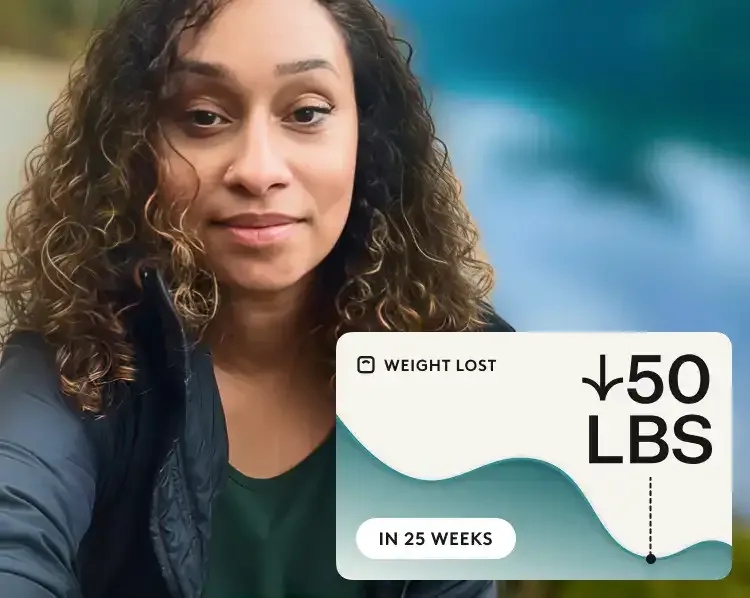
“My favorite parts of Noom are the care team and other Noomers. Sharing and getting help made me feel like I wasn’t doing it alone. That support made all the difference.”
Desirea N. — Real Noom user
Matthew M. — Real Noom user
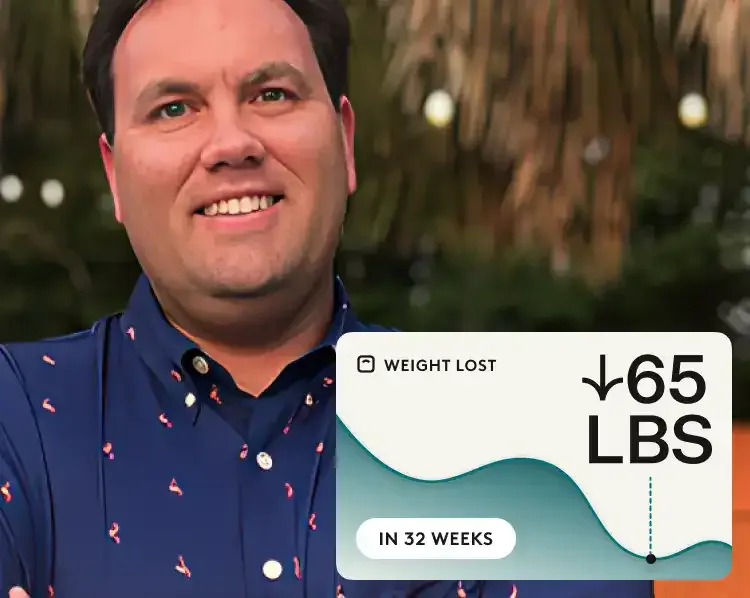
“Noom has taught me that every day is a new chance to make better, healthier choices. It's taught me how to stop overeating.’’
Matthew M. — Real Noom user
Lila M. — Real Noom user
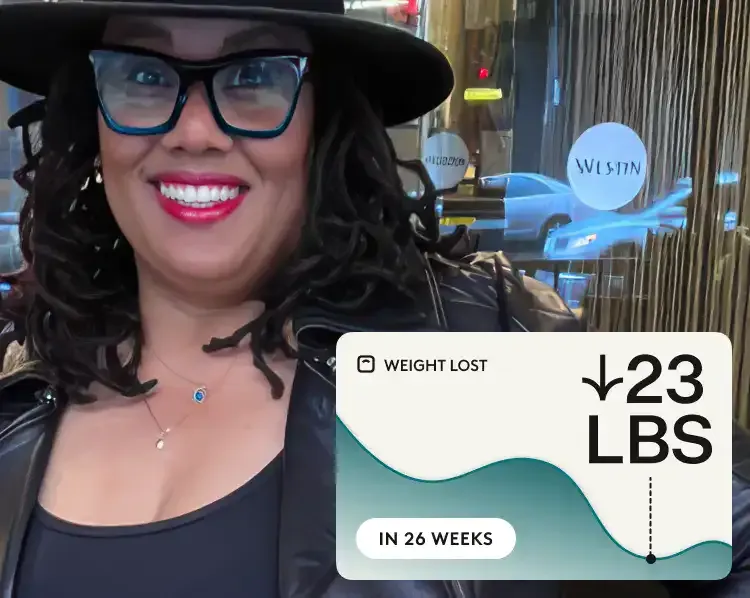
“Clinicians who understand how supportive medication can be is one of the best parts of Noom! I was convinced I wouldn’t have success but I’m down 11 pounds in two months.’’
Lila M. — Real Noom user
Steve M. — Real Noom user
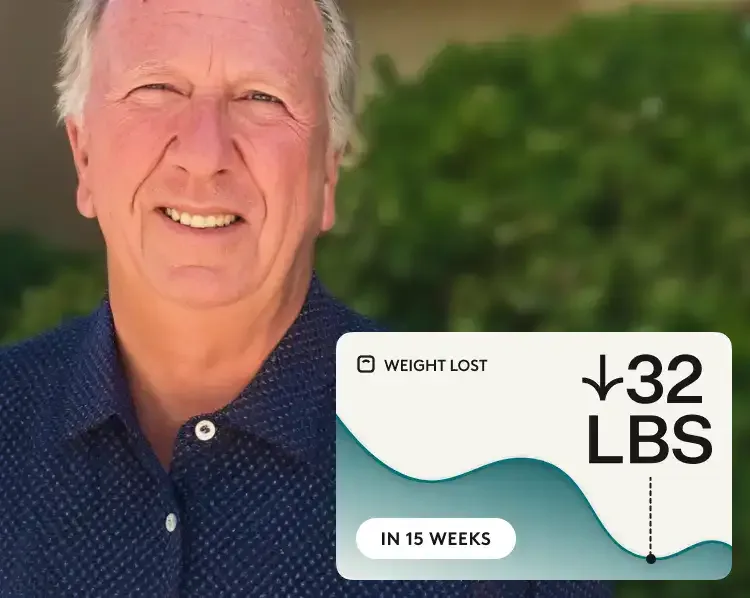
“Noom provided me with the medication which I could not get through Medicare. I have learned the tricks to better eating and life in general.”
Steve M. – Real Noom user
Daisy R. — Real Noom user
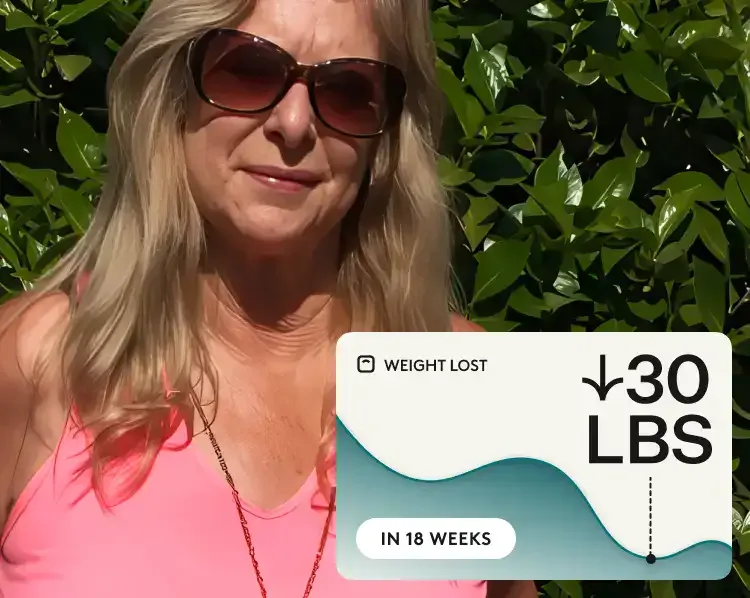
‘’Noom has changed my life and I’m so thankful, I feel great, have more energy and am no longer prediabetic.”
Daisy R. – Real Noom user
Sarah R. — Real Noom user
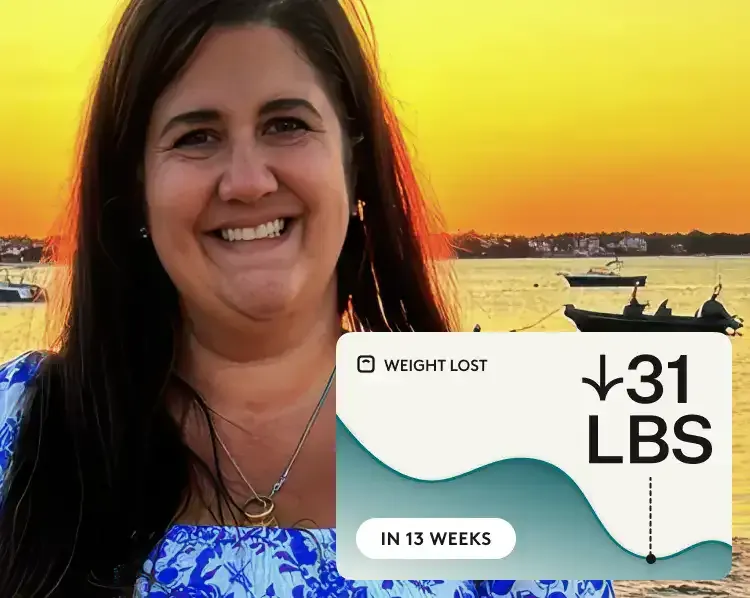
“All of the Noom providers that I’ve met with have been exceptional and prescribed medications that are appropriate for my situation and health.”
Sarah R. – Real Noom user
Madison S. — Real Noom user
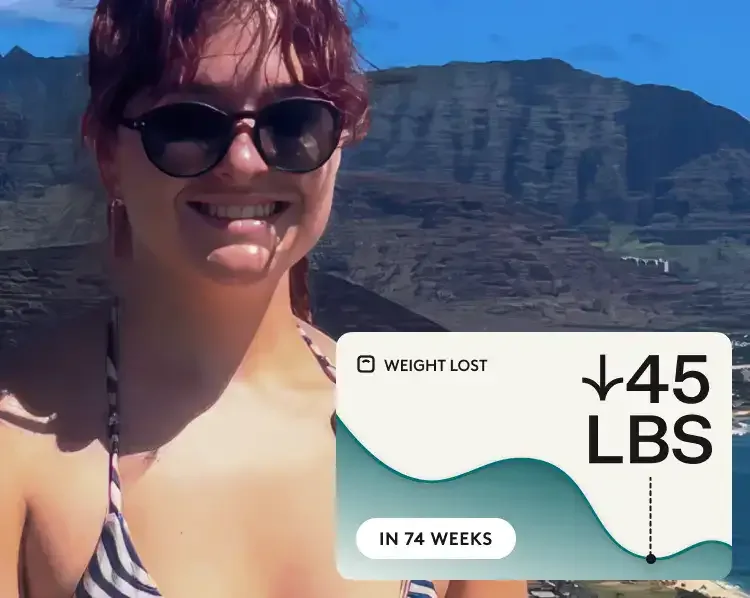
“Noom made the process so simple and now I feel full, free from diet obsession, and at ease in my body again.”
Madison S. – Real Noom user
Sonday K. — Real Noom user
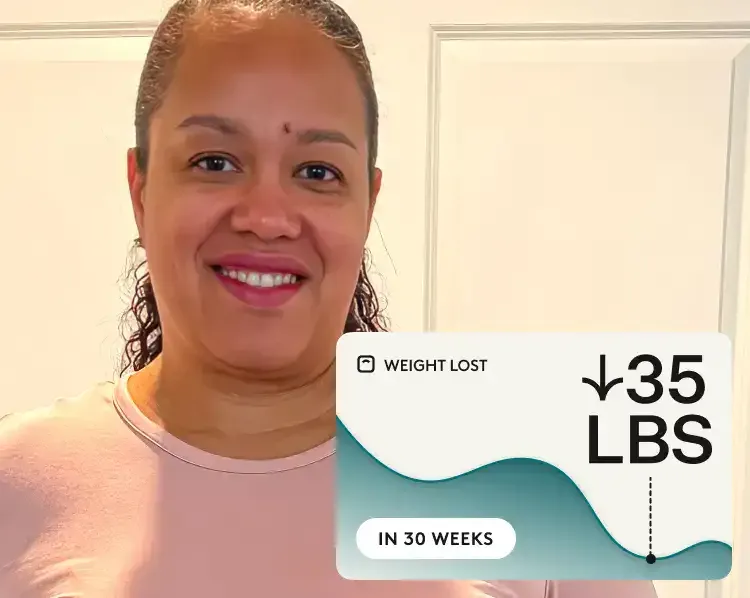
“My doctor recommended Noom after I was frustrated trying to lose weight. The lessons helped change my relationship with food. My body feels lighter & energized.”
Sonday K. – Real Noom user
Cam K. — Real Noom user
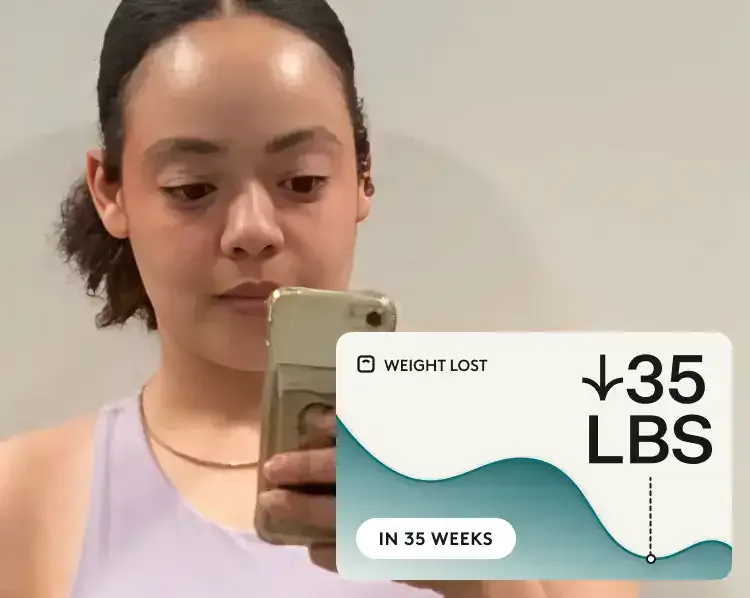
“I built healthy habits with coaching and lessons that make me confident I can maintain my weight loss long term.”
Cam K. – Real Noom user
Laura TR. — Real Noom user
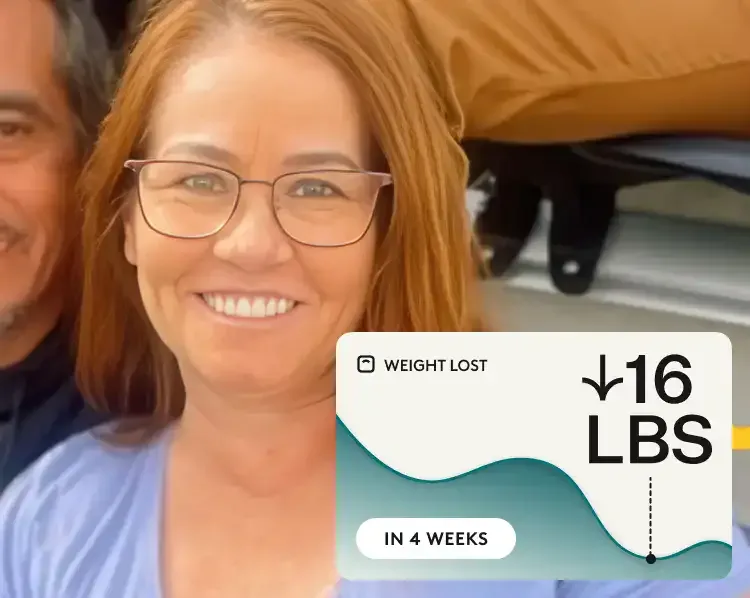
“With the right medication through Noom, hunger and sugar cravings finally quieted and I have the tools to break the cycle.”
Laura TR. – Real Noom user
Jessica S. — Real Noom user
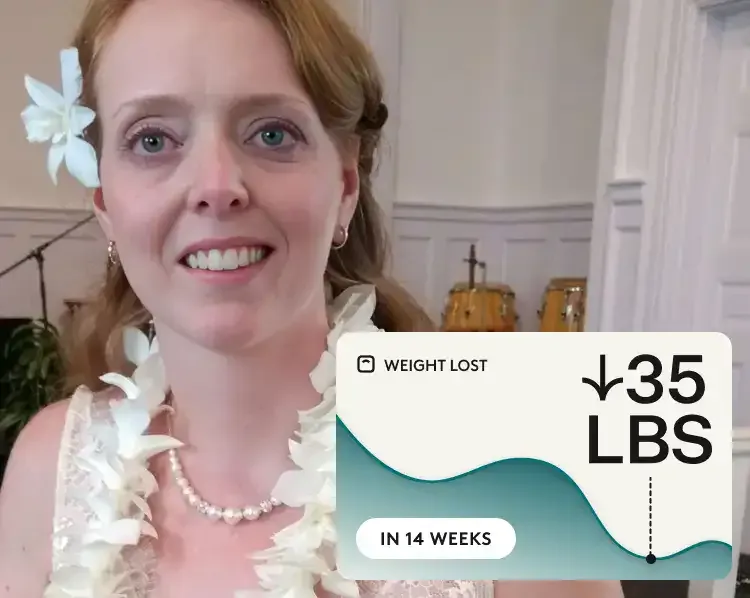
“Cravings and food noise are gone, I finally feel confident in the healthy habits I’ve built to last with Noom.”
Jessica S. – Real Noom user
Ozempic® and Wegovy® side effects in women: Navigating the differences
Researchers are still learning exactly why some side effects of semaglutide may show up differently in women, but early evidence points to factors like sex-based biology and genetics playing a role in how the body responds to GLP-1 medications.
Knowing this can help you approach treatment more effectively. Strategies like increasing your dose more gradually or staying at a lower dose longer may help ease side effects. Keeping track of symptoms and checking in with your provider can make it easier to fine-tune your plan. While side effects like nausea, constipation, or menstrual changes can happen, they’re often manageable and tend to improve with time. Being informed and proactive gives you more options and helps you stay on track with your goals.
If you qualify for Noom Med, you’ll get access to clinical guidance plus personalized support tools to help you manage side effects and build healthy habits that last.

The Easy Way
to lose weight and get healthy.
See if you qualify

Note: Ozempic®, Mounjaro®, and Trulicity® areis not FDA-approved to treat obesity or for weight loss.
Editorial standards
At Noom, we’re committed to providing health information that’s grounded in reliable science and expert review. Our content is created with the support of qualified professionals and based on well-established research from trusted medical and scientific organizations. Learn more about the experts behind our content on our Health Expert Team page.